Top 5 Foods Most Likely to Cause Food Poisoning
Food poisoning is a serious health concern that can arise from consuming contaminated food. While any food can potentially carry harmful bacteria, there are certain items that have a higher likelihood of causing food poisoning. Here, we explore the top 5 foods most likely to cause food poisoning:
- Raw or Undercooked Meat: This includes poultry, beef, and pork, which can harbor bacteria like Salmonella and E. coli.
- Shellfish: Oysters and clams are notorious for carrying Vibrio and Norovirus, especially when consumed raw.
- Eggs: Raw or undercooked eggs can pose a risk of Salmonella infection, making it crucial to cook them thoroughly.
- Dairy Products: Unpasteurized milk and cheese can be breeding grounds for Listeria and other harmful pathogens.
- Fresh Produce: Vegetables and fruits, particularly leafy greens, can be contaminated with bacteria through improper handling or washing.
Is Your Dinner Out to Get You? Understanding Foodborne Illnesses
When dining out, most people expect to enjoy a delicious meal without any concerns. However, foodborne illnesses are a real threat that can turn a pleasant evening into a nightmare. These illnesses are caused by consuming contaminated food or beverages, often leading to symptoms such as nausea, vomiting, and diarrhea. According to the Centers for Disease Control and Prevention (CDC), approximately 48 million people in the United States experience foodborne illnesses each year. Understanding the common sources of contamination can help diners make safer choices and reduce their risk.
There are several factors that contribute to the spread of foodborne illnesses in restaurants. Here are some key points to consider:
- Improper food handling: Staff who do not wash their hands or handle food safely can easily transfer harmful bacteria.
- Undercooked meals: Meat, seafood, and eggs need to be cooked to the proper temperatures to kill pathogens.
- Cross-contamination: Using the same utensils or surfaces for raw and cooked foods can introduce harmful germs into a dish.
Being aware of these risks allows patrons to ask the right questions and choose restaurants that prioritize food safety, helping to ensure that their dinner is more pleasant than perilous.
How to Spot the Signs of Food Poisoning Before It's Too Late
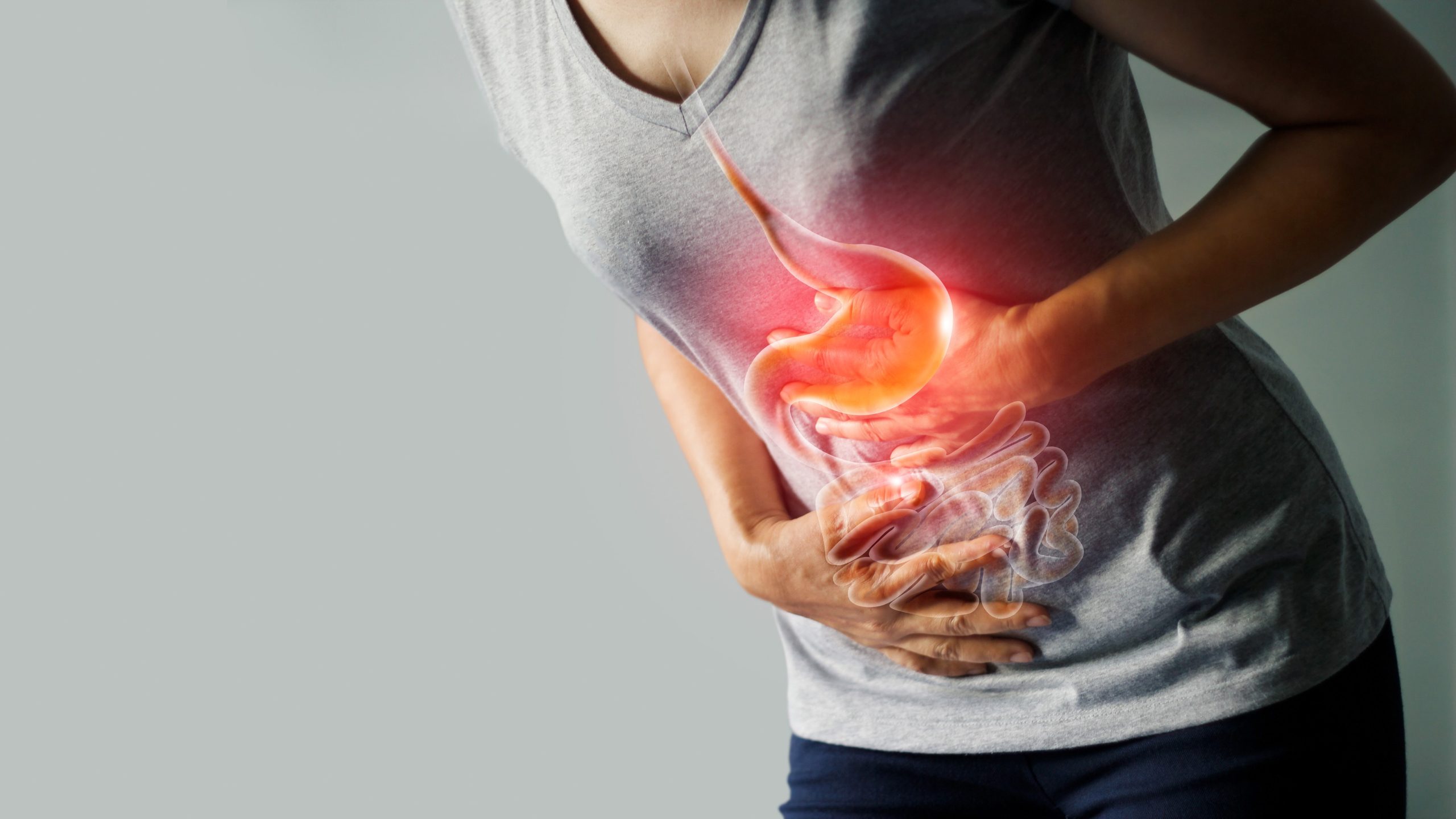
Recognizing the signs of food poisoning early can prevent severe illness. Common symptoms to watch for include nausea, vomiting, diarrhea, abdominal cramps, and fever. These symptoms can onset anywhere from a few hours to several days after consuming contaminated food or beverages. If you experience multiple symptoms simultaneously, it is crucial to stay hydrated and monitor your condition closely. In particular, pay attention to the severity of your symptoms; if they worsen or persist beyond a day, you should seek medical attention.
In addition to the typical gastrointestinal issues, some people may also experience less common signs like headaches, muscle aches, or joint pain. Food poisoning can come from various sources, including bacteria, viruses, or parasites, each potentially presenting unique symptoms. If you have recently eaten at an unfamiliar or questionable establishment, this might heighten the risk. Always trust your instincts; if something feels off, it’s better to act sooner rather than later—your health depends on it.